
Articles and Trivia
Write an articleCampus-to-Corporate Transition Challenges
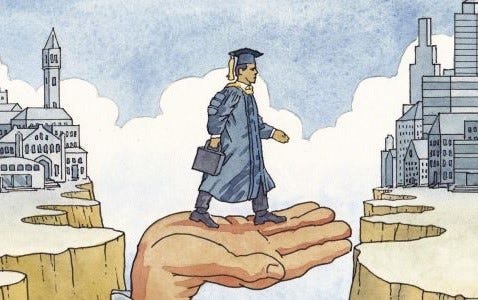
The transition from campus life to the corporate world is an important milestone in a young professional’s journey. While academic life builds knowledge and qualifications, the workplace demands adaptability, professionalism, and practical skills. Many graduates face challenges during this shift as expectations in the corporate environment differ significantly from college life.
One of the major challenges is adjusting to workplace culture. Corporate environments operate with formal communication, defined hierarchies, and strict deadlines. New employees often struggle to adapt to professional etiquette, teamwork dynamics, and organizational norms.
Another common challenge is the gap between academic learning and practical application. While colleges focus on theoretical concepts, corporate roles require hands-on skills, problem-solving abilities, and decision-making under pressure. This skill gap can initially affect confidence and performance.
Time management and accountability also pose difficulties. In the corporate world, employees are responsible for meeting targets, managing multiple tasks, and delivering results within deadlines—unlike flexible college schedules.
Additionally, communication skills play a critical role. Effective verbal and written communication, presentation skills, and professional behavior are essential but often underdeveloped in fresh graduates.
How to Overcome These Challenges
-
Develop soft skills such as communication, teamwork, and adaptability.
-
Gain practical exposure through internships and live projects.
-
Seek mentorship and continuous feedback.
-
Be open to learning and unlearning.
Conclusion
The campus-to-corporate transition can be challenging, but it is also a phase of growth and opportunity. With the right mindset, skills, and guidance, young professionals can successfully adapt and thrive in the corporate world.